
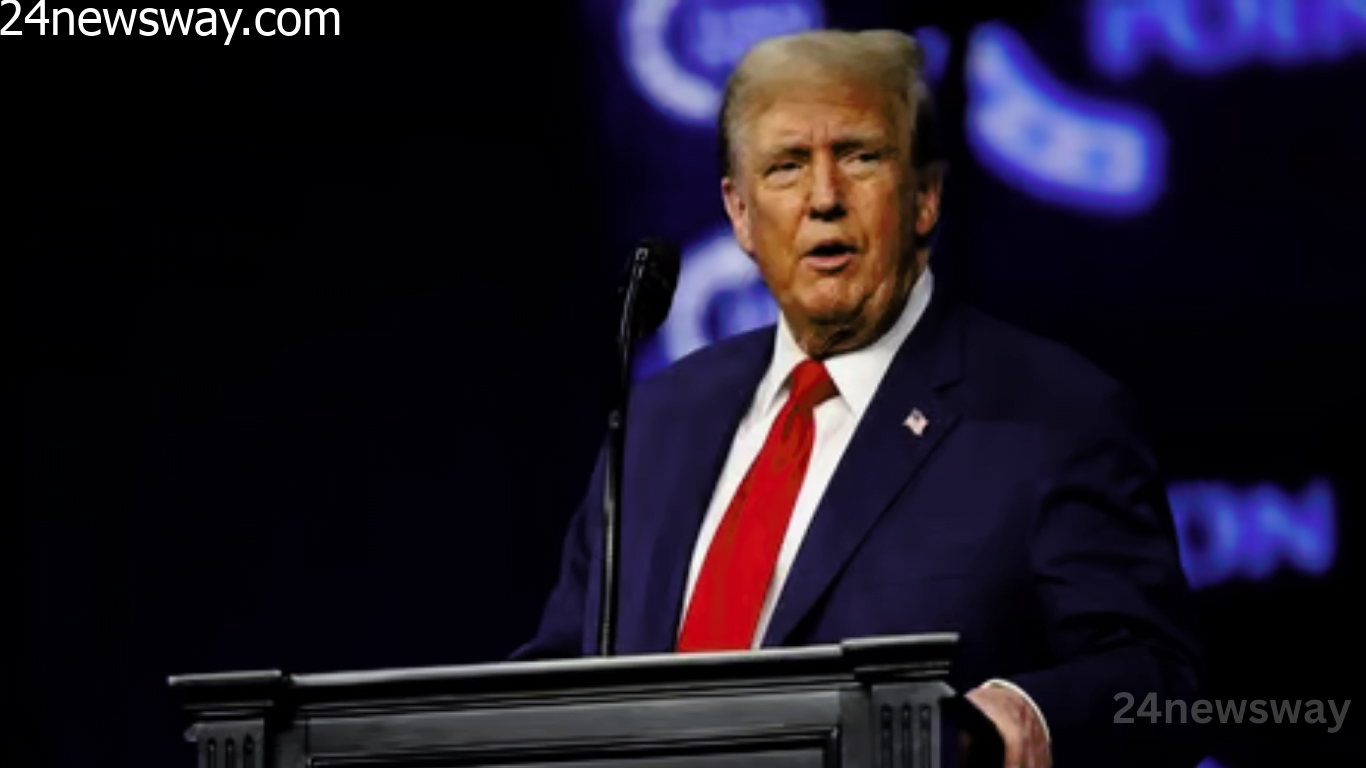

Trump’s Proposal for Green Cards for Foreign Graduates: Former US President Donald Trump announced a plan to automatically award green cards to international graduates of US universities, marking a dramatic change in US policy. Only a few months before the US elections in 2024, this declaration has generated a great deal of discussion regarding its viability and if it is a true policy endeavor or a ploy to win over voters.
Trump Proposal:
By giving international students green cards instantly after graduation, Trump’s proposal seeks to streamline the immigration process for them. Thousands of international students studying in the US may benefit greatly from this decision, which might also strengthen the US economy by keeping talented graduates in the country and give them an easy route to permanent residency.
Trump’s Reasoning:
Trump clarified during the announcement that a large number of Chinese and Indian students are returning home to launch businesses that employ thousands of people. Trump claims that by giving them green cards, these enterprising individuals may instead launch their companies in the US and create jobs here at home.
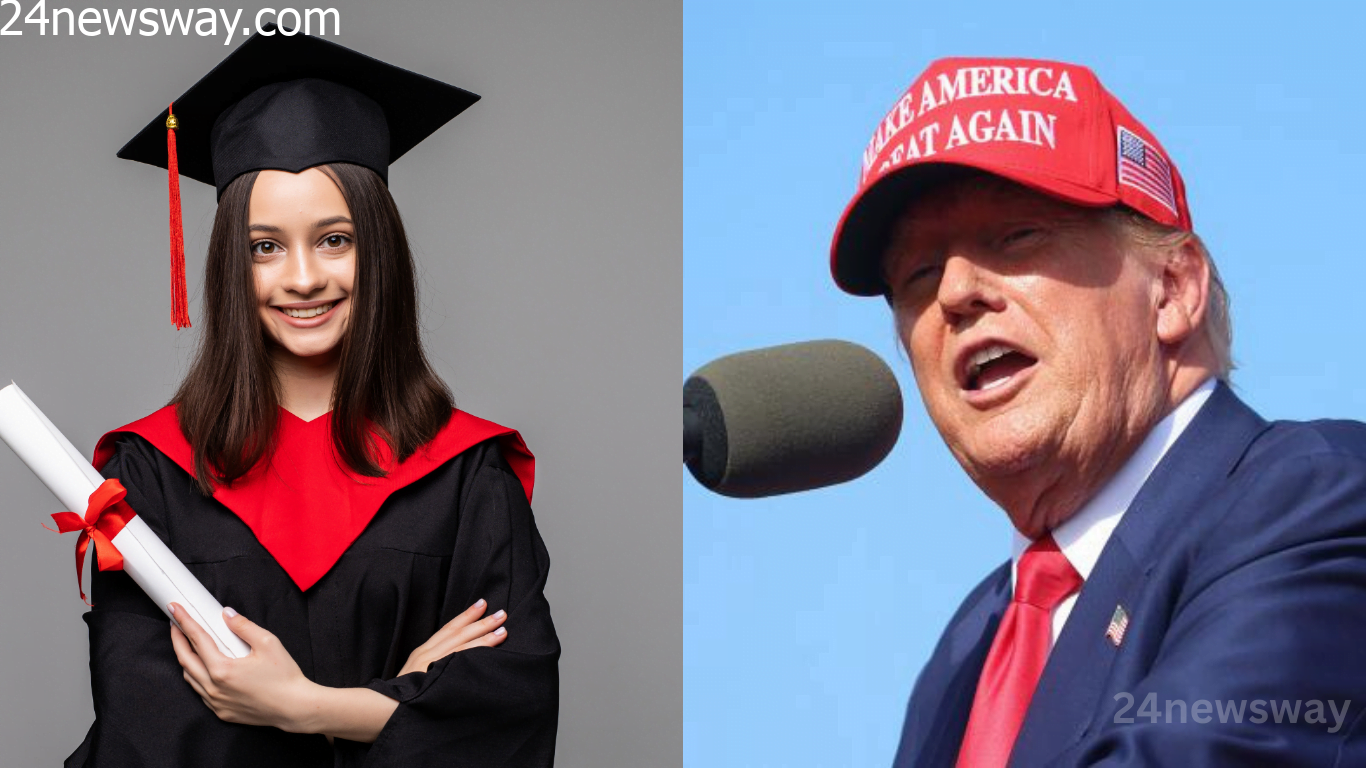
Economic and Social Benefits:
The proposal has a compelling economic justification. In the US labor market, foreign graduates can assist close skill gaps, especially in STEM professions. These graduates frequently make contributions to research, innovation, and the economy as a whole. Furthermore, the plan may increase the US’s competitiveness in the global education market by making the nation a more desirable destination for students from outside.

Legislative Approval: Congress must approve immigration laws. It might be difficult to get bipartisan support for such a big policy shift in the current divisive political environment. While some legislators would be in favor of the economic advantages, others might be concerned about how it might affect domestic labor markets and more general immigration laws.
Administrative Implementation: There are many moving parts and a lot of complexity in the US immigration system. Significant administrative adjustments would be necessary in order to implement a streamlined procedure for awarding green cards to graduates. This entails confirming the qualifications of graduates and making sure the infrastructure and resources required to manage the rising number of applications are in place.
The Department of Homeland Security (DHS) and the United States Citizenship and Immigration Services (USCIS) are two government agencies that would be essential to the implementation of this program. The procedure could be hampered or complicated by these agencies’ opposition or practical difficulties. (Trump’s Proposal for Green Cards for Foreign Graduates)
Possible Downsides of this Proposal:
Effect on the Job Market in the United States:
It is argued by detractors that not all foreign graduates launch businesses. Many compete with US citizens for jobs, which might disadvantage native workers, who make up a sizable portion of Trump’s party’s political base. Concerns concerning the proposal’s wider effects on the US labor market are raised by this feature.
It is reasonable to see this idea as a calculated attempt to win over young voters, immigrants, and academic institutions given the time of the release. Trump had previously taken a strict stand on immigration, emphasizing border security and lowering the number of undocumented immigrants. This abrupt change calls into question the proposal’s genuineness. Politicians frequently adjust their stances, nevertheless, in response to shifting public opinion and shifting electoral dynamics. This policy change may have been inspired by the increased understanding of the economic contributions made by international students as well as the need to keep talent in the US.

Although there are advantages and possible benefits to the plan to automatically give green cards to foreign graduates of US institutions, there are substantial administrative and legislative obstacles that must be overcome before it can be implemented. The announcement’s timing—just months before the 2024 elections—raises the possibility that it was a calculated political move. Even if Trump is elected, it remains to be seen if this idea becomes law because it will involve navigating the intricate interactions of political, administrative, and societal issues.